

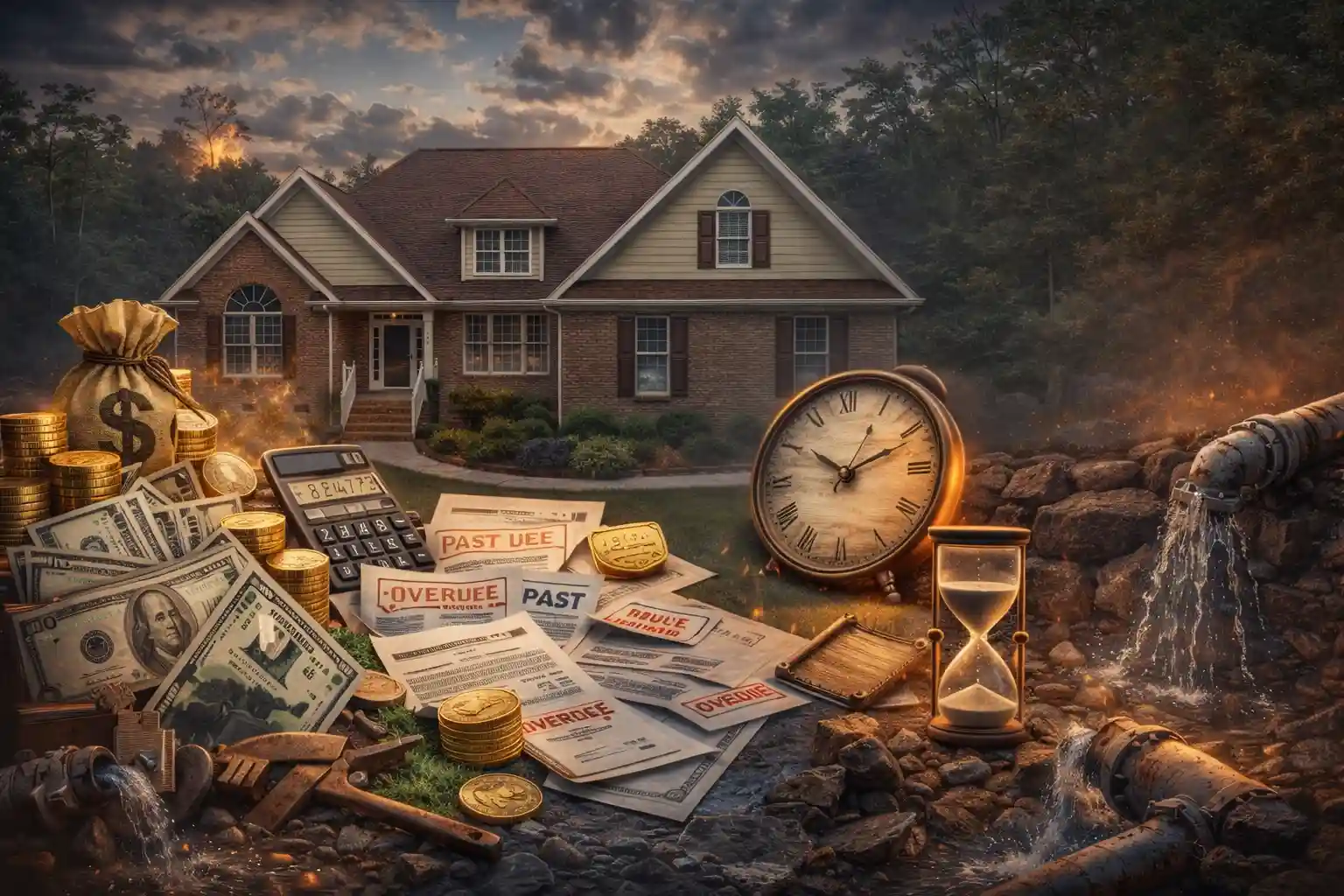
It starts as a quiet kind of pride—the moment you finally close the door on a place that’s yours. Then, slowly, the bills begin to stack, and the hidden costs of homeownership stop feeling hidden at all.
For many buyers, the first shock comes within the first year: the mortgage wasn’t the full story. Between taxes, repairs, and upkeep, homeowners in the U.S. now spend an average of $10,000–$18,000 annually beyond their mortgage, according to estimates from Zillow and Bankrate. The question most people don’t ask until it’s too late is simple: how much does owning a home really cost after you move in?
The Person Behind the Numbers
James Carter, a 34-year-old project manager in Phoenix, thought he had done everything right. He bought a three-bedroom house in 2022 with a fixed-rate mortgage and a solid savings cushion. “I planned for the payment,” he said in a Reddit thread that drew over 1,000 replies. “I didn’t plan for everything else.”
Within 18 months, Carter had paid for a broken HVAC system, rising insurance premiums, and a property tax reassessment that added hundreds to his monthly costs. “It feels like I’m always fixing something,” he wrote.
He’s not alone.
The Real Cost Beyond the Mortgage
The idea that a mortgage equals the full cost of owning a home is one of the most common financial blind spots.
In reality, homeowners face a layered set of recurring expenses:
- Property taxes that rise with home values
- Home insurance premiums increasing due to climate risks
- Maintenance and repairs, often estimated at 1–4% of home value annually
- Utilities, which scale with square footage
- Unexpected emergencies, from plumbing to roofing
A 2023 Bankrate study found the average annual hidden cost of homeownership in the U.S. reached $18,118, with Hawaii, California, and New Jersey topping the list.
That number doesn’t include time.
According to housing surveys, the average homeowner spends over 200 hours a year on maintenance alone—cleaning gutters, fixing leaks, mowing lawns.
That’s five full workweeks.
Why It’s Getting More Expensive
The rising burden of homeownership isn’t random—it’s tied to several structural shifts.
First, property values have surged, especially after the pandemic housing boom. Higher values mean higher taxes, even if your income hasn’t kept pace.
Second, insurance costs are climbing fast. In states like Florida and California, insurers have raised premiums sharply or left markets altogether due to climate-related risks. The Insurance Information Institute reports that homeowners insurance premiums rose by over 20% in some regions between 2022 and 2024.
Then there’s labor and material costs. A simple roof repair that once cost $5,000 can now exceed $10,000 due to inflation and supply chain issues.
And finally, larger homes cost more to run. Heating, cooling, and maintaining bigger spaces quietly add hundreds—sometimes thousands—per year.
The result is a slow squeeze.
What felt affordable at purchase becomes harder to sustain over time.
The Debate: Investment or Burden?
Homeownership has long been framed as the cornerstone of financial security. Build equity, gain stability, stop paying rent.
But that narrative is being questioned.
Supporters still argue that owning a home is a long-term wealth builder. Data from the Federal Reserve shows that homeowners, on average, have significantly higher net worth than renters.
Critics push back by pointing to liquidity and hidden risk. Money tied up in a home isn’t easily accessible, and rising costs can eat into returns. Some economists argue that once maintenance, taxes, and interest are factored in, the real gains are smaller than people expect.
Online, the conversation is even sharper.
A viral TikTok video with over 2 million views summed it up bluntly: “Rent is the most you’ll pay. A mortgage is the least.”
On Reddit’s r/personalfinance, one top comment read:
“Owning a house is like having a second job you didn’t apply for.”
The tone isn’t regret—it’s recalibration.
The Gut-Check Moment
If you’ve ever looked at your bank account after paying bills and wondered where it all went, you already understand this story.
A house doesn’t just take money—it takes attention.
It takes weekends.
It takes mental space.
Many homeowners quietly admit they’re maintaining a lifestyle they don’t fully enjoy anymore.
And that realization doesn’t show up on any closing document.
Conclusion
Back in Phoenix, James Carter says he still doesn’t regret buying his home—but he sees it differently now.
“It’s not just something you own,” he wrote. “It’s something you manage all the time.”
He recently turned down the idea of upgrading to a larger house, even though his income has increased.
For him, the question has changed.
Not can I afford the mortgage?
But how much of my life am I willing to give to keep this going?