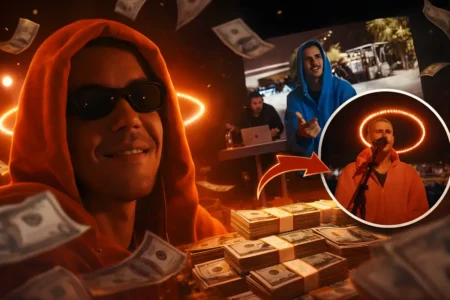


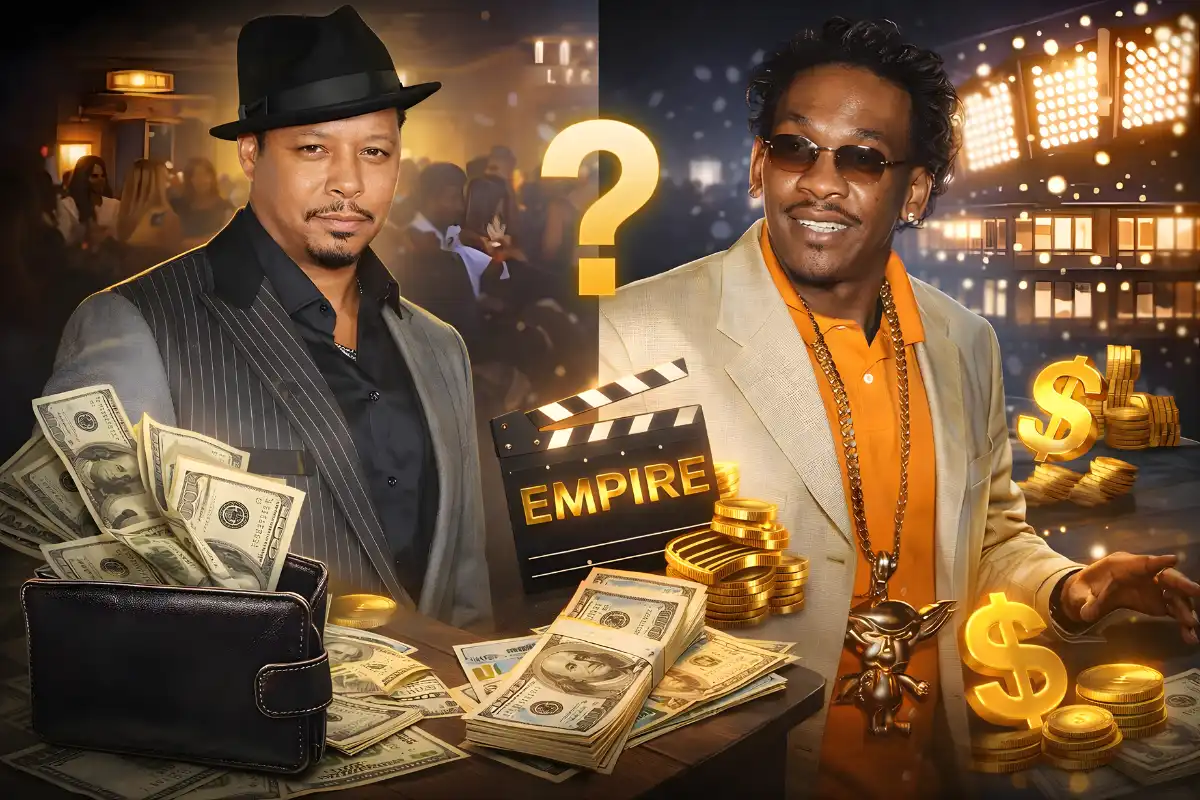
A small kindness at a loud Hollywood party can feel like it disappears into the noise. Years later, the echo of that moment became the story behind the Petey Pablo Empire role, turning a casual favor into one of TV’s most retold industry anecdotes.
At a premiere celebration in 2005, actor Terrence Howard found himself without his wallet. Rapper Petey Pablo stepped in, handing him $200 with little thought about what might come next. The two went their separate ways. A decade later, that brief exchange resurfaced in a way neither could have planned, placing Pablo on one of television’s biggest stages.
The Scene
The room buzzed with music, chatter, and camera flashes. Somewhere between the red carpet smiles and backstage handshakes, a small problem interrupted the night. Terrence Howard, then rising off the success of Hustle & Flow, needed help.
Petey Pablo, fresh from his own run of chart hits, stepped forward.
No contracts. No promises. Just cash.
Then the moment faded into memory.
Who + Why Now
The story resurfaced years later because Empire became a cultural juggernaut almost overnight. The FOX drama, led by Howard’s commanding performance as Lucious Lyon, drew massive ratings and dominated online talk during its early seasons.
By 2015, fans were combing through every casting detail, every cameo, and every behind-the-scenes connection. That’s when reports began linking Pablo’s guest appearance to the long-forgotten party favor.
Media outlets in North Carolina, including WRAL, shared the backstory, framing it as a real-life example of loyalty in a business often seen as transactional. The narrative caught on quickly, spreading across blogs, fan pages, and entertainment news segments.
The question many readers asked right away was simple: did that $200 really lead to a paid TV role years later?
The Full Story
After his early-2000s success with songs like “Raise Up” and “Freek-A-Leek,” Petey Pablo’s career hit turbulence. Legal issues and a federal prison sentence kept him out of the spotlight for several years. When he was released in 2014, he began searching for a way back into the industry.
That search aligned with a phone call he did not expect.
Terrence Howard reached out and offered him a guest role on Empire. The show’s prison storyline needed authenticity, and Pablo’s real-life experiences made him a natural fit for the part of Clyde, an inmate who connects with Lucious Lyon through music.
On-screen, Clyde became part of a creative arc showing how Lucious’s musical instincts remained sharp even behind bars. Off-screen, Pablo contributed songs to the show’s soundtrack, further tying his real talent to the fictional plot.
Reports later suggested he earned about $15,000 for the appearance.
For fans, the math was easy.
Two hundred dollars had turned into a five-figure opportunity.
But industry insiders pointed out that casting decisions often involve multiple factors, from musical credibility to narrative fit. The favor story became part of the lore, not necessarily the sole cause.
Still, the symbolism stuck.
A small act of generosity had found its way back into the spotlight at the exact moment Pablo needed a new chapter.
Public Reaction
As the story spread online, reactions varied by platform. On Facebook fan pages dedicated to Empire, users framed it as proof that good deeds return when least expected. On Reddit threads dissecting celebrity myths, some questioned how much of the tale was shaped by public relations strategy.
A few commentators called it “the best return on investment in entertainment history,” a line that circulated widely in meme form.
Others focused on the redemption angle, noting how Pablo’s cameo coincided with his attempt to rebuild his career. The mix of skepticism and admiration created the kind of viral tension that keeps stories alive long after the headlines fade.
The debate never settled into a clear verdict.
Instead, it kept the narrative circulating.
Bigger Truth
Hollywood has always thrived on stories that blur the line between chance and design. The Petey Pablo Empire role sits comfortably in that tradition, reflecting how relationships and timing can reshape careers in ways that feel almost scripted.
It also highlights the industry’s fascination with loyalty tales. In a space where fame can shift overnight, narratives about remembered favors offer a comforting counterpoint to the usual stories of rivalry and replacement.
For viewers, the anecdote worked because it combined familiar elements: success, struggle, and a sense of karmic balance.
And for Pablo, it marked a moment when past kindness intersected with present opportunity.
Years after that noisy party, the memory returned as a call sheet and a paycheck.
A reminder that in show business, even the smallest gestures can echo far longer than anyone expects — leaving one lingering question about fame itself: is it built more on talent, timing, or the quiet debts people carry with them?