


I once lost my phone in a taxi. I spent days refreshing tracking apps, hoping it would magically reappear. It never did. That small panic stuck with me longer than I’d like to admit. So when I first read about a man lost at sea for 438 days, I couldn’t stop thinking about it. If losing a phone messed with my head, what does losing the entire world do to a person?
José Salvador Alvarenga didn’t just get lost. He vanished into the Pacific Ocean for over a year—and when he came back, the hardest part still waited for him.
How a Routine Fishing Trip Went Wrong
In November 2012, Alvarenga left the coast of Mexico on what should have been a short fishing trip. I picture it like any workday. Same boat. Same plan. Same return time.
Then a storm hit.
The engine failed. The radio went silent. The boat drifted. Just like that, Alvarenga and his young crewmate, 22-year-old Ezequiel Córdoba, were lost at sea with no way to call for help.
No backup plan. No rescue signal. Just water in every direction.
Life Adrift for 438 Days
Alvarenga later said survival came down to instinct. He caught fish with his hands. Ate them raw. Grabbed birds when they landed. Trapped turtles when he could. Collected rainwater whenever clouds showed mercy.
Córdoba didn’t adapt. According to Alvarenga, he became ill early on and refused to eat raw food. Over time, he weakened. Months into the ordeal, Córdoba died.
That moment alone changes everything. Two men left together. One never returned.
The Rescue That Made Headlines
In January 2014, after drifting for 438 days, Alvarenga washed ashore on a remote island in the Marshall Islands. Locals found him confused, thin, and barely standing.
Doctors were stunned he was alive. Survival experts called it one of the longest open-ocean drifts ever recorded. For most of us watching from screens, it felt unreal.
A man lost at sea survives against all odds. It sounded like the end of the story.
It wasn’t.
From Survivor to Defendant
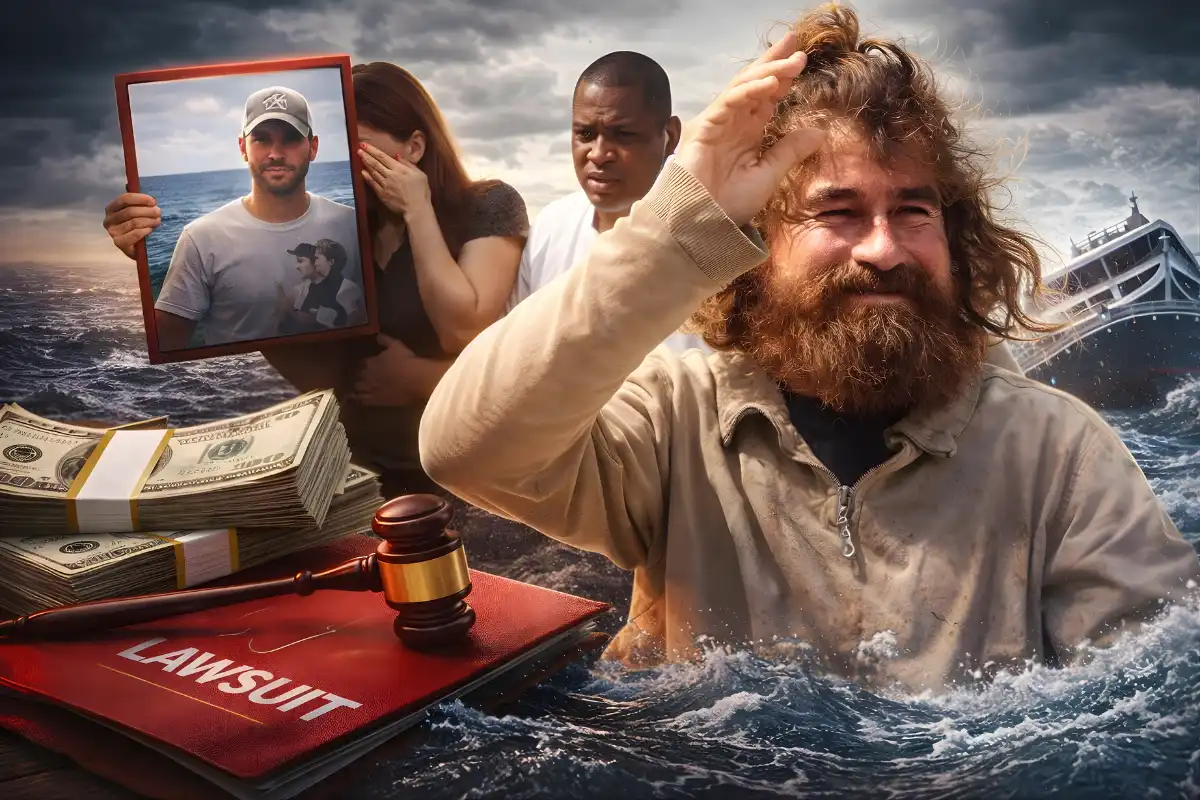
Years after his rescue, Alvarenga faced a lawsuit that flipped public opinion overnight. The family of Ezequiel Córdoba sued him for $1 million.
They accused him of causing their son’s death. They also made a far darker claim: that Alvarenga survived by eating Córdoba and later made money from the tragedy through media attention and a book.
That accusation spread fast. Headlines moved quicker than facts. Comment sections filled up even faster.
What Alvarenga Says Happened
Alvarenga denied the claims completely.
He said he never harmed his crewmate. Never ate him. Never did anything except try to stay alive. He said the lawsuit wasn’t about truth. It was about money.
Here’s the part many people miss: there is no proof. No remains. No witnesses. No records. Just one survivor and an event that happened far from any shore.
From a legal view, that matters. From a human view, it’s still painful.
The Internet Reacts the Way It Always Does
Online reactions split into three camps.
One group believed Alvarenga. They saw him as a man who endured the worst and didn’t deserve more suffering.
Another group doubted everything. They asked how anyone could survive that long without doing something extreme.
The third group made jokes. Dark ones.
“Lost at sea, found in court.”
“He survived the ocean but not the comments.”
I didn’t laugh. I just felt uneasy. When survival turns into entertainment, empathy is usually the first thing to sink.
The Book and the Money Question
Alvarenga later helped write a book about his survival. Some saw it as sharing his story. Others saw it as cashing in.
I understand both reactions.
If I lived through something like that, I’d want to tell my story too. To explain it. To pay bills. To move forward.
But if I lost a child, seeing that story sold might feel unbearable.
That’s the part no lawsuit can fix.
A Question No One Agrees On
The internet keeps asking one thing: what would you do to survive?
People answer with confidence, like hunger and fear won’t change them. I’m not that sure. I’ve skipped meals and turned grumpy in hours. I can’t judge someone drifting for over a year with no safety net.
History shows people survive in many ways. Some cross lines. Some don’t. This case sits in the gray space where proof doesn’t exist and pain does.
When Being Lost at Sea Isn’t Over
What stays with me most is this: surviving didn’t end Alvarenga’s struggle. It just changed it.
At sea, he fought hunger and isolation. On land, he fought doubt, blame, and public judgment.
One comment online said it best: “He survived the impossible. Now he has to survive people.”
That feels true.