


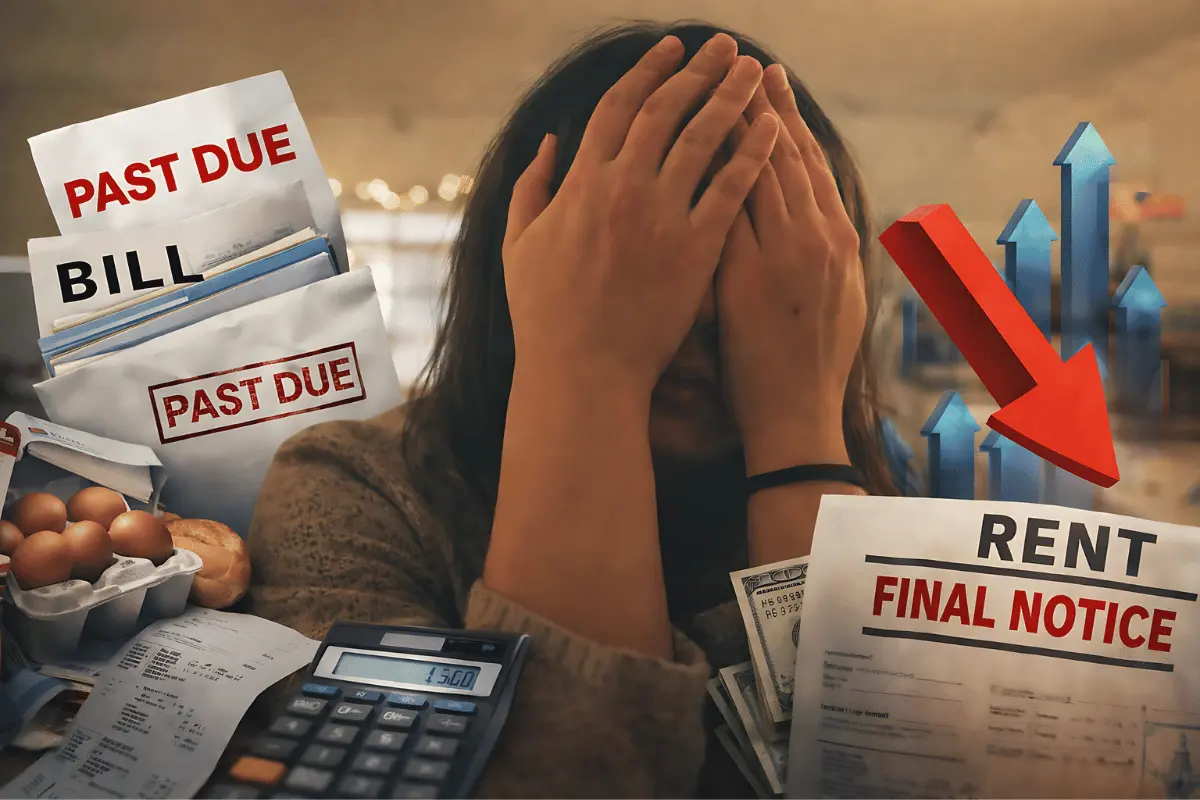
The us cost of living now demands over $100,000 a year for a single adult to live “comfortably,” according to recent financial research. That number has shocked many workers who thought six figures meant security, not stress.
When Paychecks Feel Smaller Overnight
Ask around, and the story sounds the same. Rent is up. Groceries are up. Even the price of a basic haircut feels like a luxury now.
One office worker joked online:
“My salary went up, but my bank balance still thinks it’s 2019.”
That line became a meme. People shared it with photos of tiny apartments and sky-high rent bills. Funny? Yes. Also a little too real.
Here’s what the numbers show right now:
- Average rent has jumped around 30% since 2020 in many U.S. cities
- A one-bedroom apartment can cost $1,800 or more per month
- Basic household costs can top $6,000 a month for many families
- Prices are still rising faster than wages in key areas
No wonder social media is full of “adulting is a scam” jokes.
Housing Is the Main Headache
Housing costs lead the list of worries tied to the us cost of living. In some cities, even people with solid careers are moving back in with family or taking on roommates in their 30s.
Fans of urban life say it’s worth it. Non-fans say it’s madness.
A viral post summed it up:
“I pay half my income to live near coffee shops I can’t afford.”
Meanwhile, economists warn that the housing shortage has built up over years. Too few homes, too many people chasing them. Simple math, painful result.
Grocery Bills Now Feel Like Plot Twists
Another shock comes at the supermarket. Many shoppers now track prices like stock traders.
Common complaints trending online include:
- Eggs suddenly doubling in price
- Snack packs shrinking in size
- Store brands costing what name brands used to
One comedian joked during a stand-up set:
“I scan items slower at self-checkout. It’s not theft. It’s emotional prep.”
Humor helps, but the stress is real. Food costs hit low- and middle-income homes hardest.
Medical Costs Add Another Layer
Healthcare costs keep rising too. Insurance premiums, co-pays, and surprise bills often turn minor issues into major worries.
Some workers now pick jobs based on health coverage alone. Others delay care to save money.
This creates a strange cycle. People work more hours to afford care but feel less healthy from stress.
The Side Hustle Boom
Because of the rising us cost of living, more Americans are chasing extra income.
Trending side jobs include:
- Food delivery or rideshare driving
- Online reselling of thrift finds
- Freelance writing or design
- Renting out spare rooms
Fans call it freedom. Critics call it survival mode.
A puzzling trend: many workers with stable careers still take second jobs. It’s not always about luxury. Often it’s about keeping up with rent or debt.
Meme Culture Reflects Economic Mood
Economic stress has become its own comedy genre online.
Popular themes include:
- “Six-figure salary is the new middle class” jokes
- Rent memes showing closets labeled as “studio apartments”
- Nostalgia posts claiming life was easier decades ago
These jokes spread fast because they tap into shared feelings. Even people who are doing okay sense the pressure around them.
Younger Workers Feel the Shift First
Gen Z and younger millennials often talk openly about cost worries.
Their dilemmas include:
- Delaying buying a home
- Postponing marriage or kids
- Choosing remote work to save on rent
Some older generations say this is just part of life. Younger workers argue the math has changed.
Both views trend online, often clashing in heated comment sections.
Economic Experts Point to Bigger Causes
Beyond daily struggles, experts link rising costs to long-term shifts:
- Housing supply shortages
- Higher interest rates
- Global supply chain changes
- Strong demand after pandemic slowdowns
Inflation has cooled compared to peak levels, but prices rarely go backward. That means the financial reset feels permanent to many households.
Regional Differences Matter
The us cost of living varies widely. Living in a smaller town can be far cheaper than in a major metro.
Still, moving isn’t always simple. Jobs, family ties, and school systems keep people rooted.
Some workers who relocated during remote-work trends now face return-to-office demands. That adds travel or moving costs back into the picture.
Fans vs Critics of the Current Economy
Fans of the current economic outlook say:
- Wages have grown in some sectors
- Job markets remain strong
- Inflation trends are improving
Critics counter:
- Growth hasn’t matched real expenses
- Savings are shrinking for many households
- Financial stress remains high
This split fuels endless debates online. Each side shares charts, memes, and personal stories to prove its point.
Real-Life Puzzles and Strange Stories
Some cases highlight how complex the situation has become.
For example:
- Professionals earning well above average still living paycheck to paycheck
- Luxury apartments offering rent discounts after price spikes
- People downsizing despite income growth
These odd patterns suggest a deeper shift in how people view money and stability.
The Bigger Picture Behind Daily Stress
At its core, rising costs shape lifestyle choices. People rethink spending, saving, and long-term plans.
Financial planners now stress:
- Building multiple income streams
- Cutting debt early
- Saving aggressively when possible
These strategies sound simple on paper. In real life, they often clash with rising basic expenses.
Conclusion
The us cost of living debate isn’t just about numbers. It’s about how people feel when effort doesn’t seem to match results.
And maybe that’s why the memes hit so hard. When rent feels like a plot twist and groceries feel like a gamble, humor becomes a coping tool.
After all, if the price of living keeps rising, the price of laughing might be the last bargain left.