


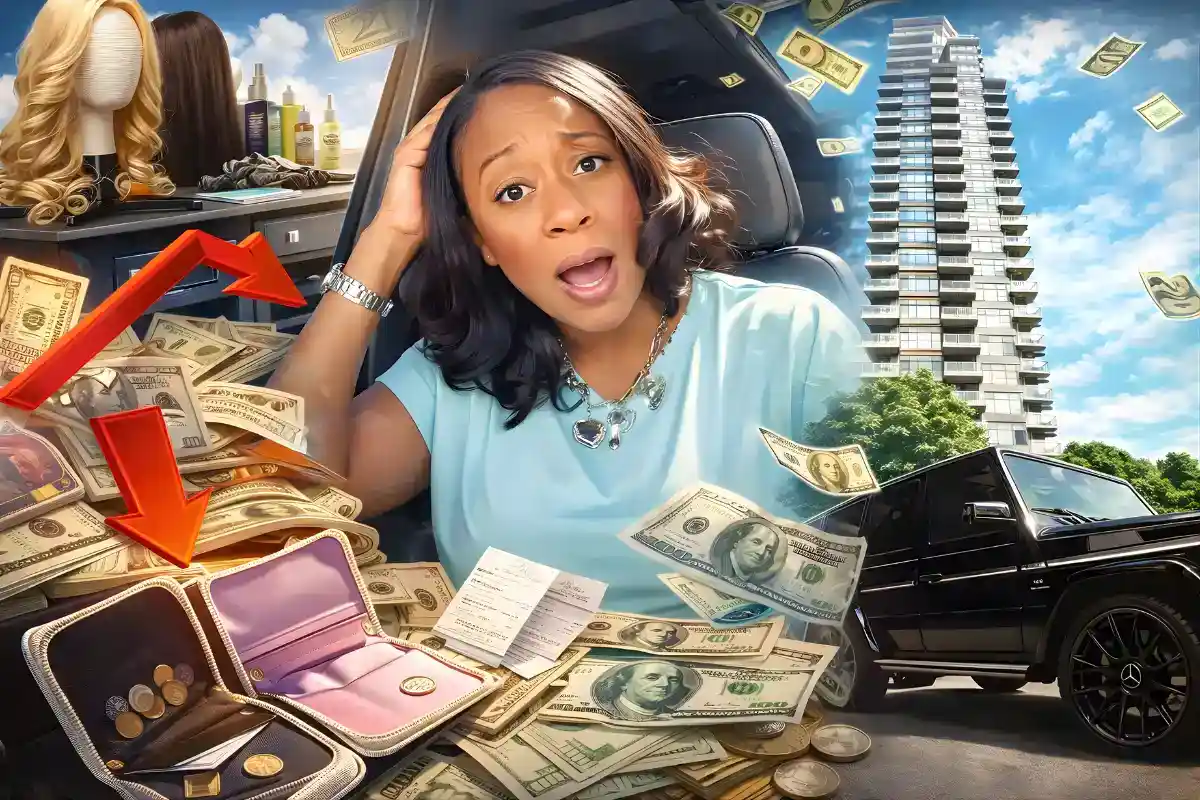
The knot in your stomach when payday hits — and the money already feels spoken for. That uneasy math sits at the center of the Texas teacher salary controversy, after a viral video showed one educator explaining why a $7,500 monthly paycheck still leaves her feeling broke.
In the clip that spread across major social platforms, the Texas teacher described how housing costs, car payments, and lifestyle expenses quickly swallow her income. The question many viewers asked first was simple: how can someone earning above the state’s average teacher salary still feel financially strained?
The person at the center of the moment
The educator, who works in a major Texas metro area, shared her situation in a series of candid posts filmed from her car. She outlined her monthly pay and the expenses she says leave little room for savings.
She referenced payments tied to a luxury SUV, a condominium in a high-cost neighborhood, and regular personal care spending.
The clips were soon reposted by viral content accounts, shifting her personal story into a public debate about income, priorities, and the pressure to keep up appearances.
The numbers that fueled the debate
On paper, earning $7,500 per month places the teacher well above the median salary in many Texas school districts. According to data from the Texas Education Agency, statewide teacher pay averages closer to the mid-$60,000 range annually.
That gap is what turned a personal confession into a wider talking point.
Supporters argue her case reflects real urban cost pressures. Critics see it as a cautionary tale about lifestyle choices.
Either way, the video forced a basic question back into the spotlight: what does “comfortable” income really mean today?
Why paychecks feel thinner than they look
Housing costs in fast-growing Texas cities have risen sharply over the past decade. Real estate reports show median home prices in places like Austin and Dallas climbing faster than wage growth.
Rent, insurance, and property taxes often rise in tandem.
Add car payments, fuel, health coverage, and everyday bills, and the margin between income and security can narrow quickly.
Financial planners often warn that high fixed costs — especially luxury debt — can leave earners vulnerable even at above-average salary levels.
Inflation has added pressure, too. Consumer price data shows steady increases in groceries, utilities, and service costs since the pandemic era, tightening household budgets across income brackets.
A conversation about systems and choices
The viral moment split public reaction along familiar lines. Some viewers focused on structural issues, arguing teacher pay should better reflect rising living costs and the growing demands of the job.
Others framed the story as an example of personal financial risk, pointing out that discretionary spending can outpace income at any salary level.
Education advocacy groups often note that compensation varies widely by district, with disparities tied to local funding models and property tax bases.
At the same time, personal finance experts stress the importance of debt-to-income balance, suggesting that even six-figure earners can struggle if fixed obligations are too high.
This tension between systemic factors and individual decisions sits at the core of the controversy.
The online reaction that kept it trending
The discussion gained traction on platforms like TikTok, Instagram, and X, where short video clips and reposted screenshots drove millions of views.
Comment sections quickly filled with budgeting advice, satire, and broader economic frustration.
Some posts highlighted the symbolic weight of luxury vehicles in modern culture, often used as shorthand for status and success. Others turned the story into humor, with memes about subscription overload and rising grocery bills.
A single viral confession became a mirror reflecting wider anxieties about money.
The gut-check many readers recognize
If you have ever stared at your paycheck and wondered where it went, the story hits a nerve.
Income alone does not guarantee peace of mind.
Financial security depends on the gap between what you earn and what you owe — a gap that can shrink quietly over time.
Returning to the moment that started it
In her videos, the teacher did not claim to represent every educator’s reality. She spoke from a personal place, describing the tension between income, expectations, and daily expenses.
The clips resonated because they captured a feeling that spreads far beyond one profession or one city.
So the question that lingers after the headlines fade is simple: when you look at your own paycheck, does it feel like enough — or just the start of another calculation?