

A paycheck that keeps coming even when the job stops feels like a quiet unfairness most workers recognize. That uneasy feeling is now at the heart of a growing national debate over senators pay shutdown rules after one of the longest funding standstills in U.S. history.
In the fall of 2025, the federal government shut down for 43 days. Millions of workers waited for pay that never came. Members of Congress did not.
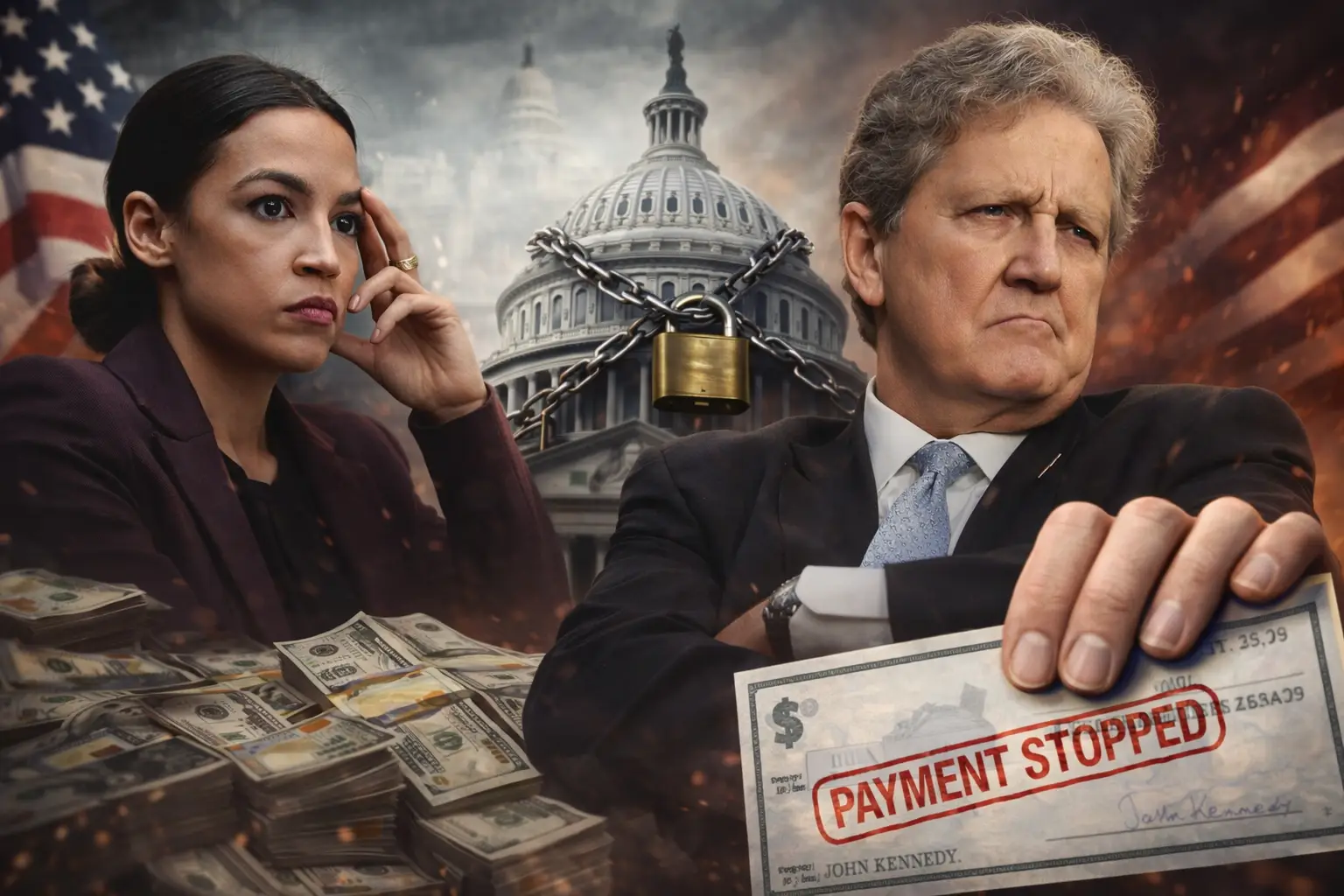
The contrast is what pushed Senator John Kennedy of Louisiana to introduce a proposal that would hold lawmakers’ salaries in escrow during future shutdowns. If Congress fails to pass a budget, the logic goes, its members should face the same financial pause as the people who rely on government services to stay afloat.
The Human Cost Behind the Headlines
For people like Maria Lopez, a 38-year-old airport security officer in Phoenix, the shutdown meant more than political noise. She took on late-night rideshare shifts to cover rent and groceries while her regular paycheck was frozen.
She is not alone. During the 2025 shutdown, federal employees across agencies faced weeks without income. Some families turned to food banks. Others leaned on emergency loans from banks offering short-term relief programs. Military families reported juggling bills with little clarity on when normal pay cycles would resume.
That experience reshaped how many Americans view the idea of government shutdown salary reform.
The Numbers That Raised the Stakes
Economists estimated the shutdown cost the U.S. economy roughly $15 billion per week in lost output. Contractors often lost income permanently because back pay protections did not apply to them. Federal workers eventually received delayed wages, but the ripple effects — missed payments, added debt, emotional strain — lingered.
Members of Congress continued receiving full salaries, which currently sit above $170,000 annually for rank-and-file lawmakers. That gap between elected officials and public servants fueled calls for change.
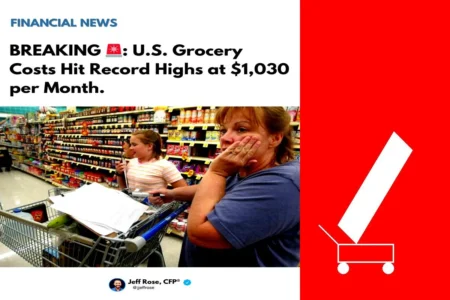
For voters already facing rising housing costs, healthcare premiums, and tax burdens, the optics mattered. The issue quickly shifted from a procedural dispute to a broader conversation about fairness and accountability in public finance.
Why Shutdown Gridlock Keeps Happening
The U.S. budget process relies on Congress passing annual funding bills or temporary measures to keep agencies running. Political standoffs over spending priorities or policy demands can delay these votes, triggering partial or full shutdowns.
One structural hurdle is the 27th Amendment to the Constitution. It prevents immediate changes to congressional pay without an intervening election. Kennedy’s proposal attempts to work within that framework by delaying implementation until after the next election cycle.
Budget analysts say shutdowns often cost more to resolve than to avoid. Restarting agencies requires overtime, new contracts, and administrative cleanup. Meanwhile, economic uncertainty can slow investment and consumer spending.
The repeated cycle of brinkmanship has turned shutdown threats into a recurring feature of U.S. fiscal policy debates.
A Divided Response on Capitol Hill and Online
Supporters of the senators pay shutdown proposal argue that financial pressure could push lawmakers to reach agreements faster. They frame it as a basic incentive structure: if leaders feel the same pinch as federal workers, they may prioritize compromise.
Critics counter that many lawmakers have independent wealth or outside income streams, meaning escrowed pay might not meaningfully change behavior. Some policy experts suggest deeper reforms to the budgeting process would have more impact.
On social media platforms like X and Reddit, discussions have ranged from sharp frustration to cautious approval. Threads with hundreds of comments show a mix of anger about perceived privilege and skepticism about symbolic policy fixes.
One widely shared comment read, “If my job shuts down, my bills don’t pause. Why should theirs?”
What It Feels Like From the Paycheck Side
If you have ever watched your bank balance dip while waiting for a delayed payment, the shutdown debate feels less abstract.
Bills still arrive. Rent still comes due. Groceries still cost what they cost.
That lived reality is why the conversation around federal shutdown financial impact resonates beyond politics. It taps into a broader sense that accountability should flow both ways between voters and the people they elect.
The Question That Lingers After the Crisis
The 2025 shutdown eventually ended, and most government workers received back pay. But the memory of those weeks without income has not faded. For Lopez and others, the experience reshaped how they think about public service and economic security.
Now the proposed escrow rule sits waiting for a full Senate vote, tied to election timelines and constitutional limits.
If future shutdowns do occur, the outcome may determine whether lawmakers share more directly in the financial strain that millions of Americans already know too well.
And if that moment comes, the real test will not be a vote count on Capitol Hill — but whether the next stalled paycheck feels any fairer than the last.