

Last year, I walked into a dealership just to “look.” That’s what I told myself. My car was 12 years old. The AC sounded like it was begging for mercy. I figured I’d see what was out there.
Then the salesman showed me the numbers.
The sticker price was just under $50,000.
The monthly payment? About $790.
The loan term? Six years.
I laughed. Not because it was funny. Because I didn’t know what else to do.
That’s the story of middle class car prices right now.
The Part That Hits First: The Payment
Here’s what buyers are facing.
The average new car price has been hovering close to $49,000 to $50,000. That’s according to auto pricing data from sources like Kelley Blue Book and Edmunds.
The average monthly payment on a new car loan is now around $770 to $800.
Let that sink in.
Eight hundred dollars. Every month. For years.
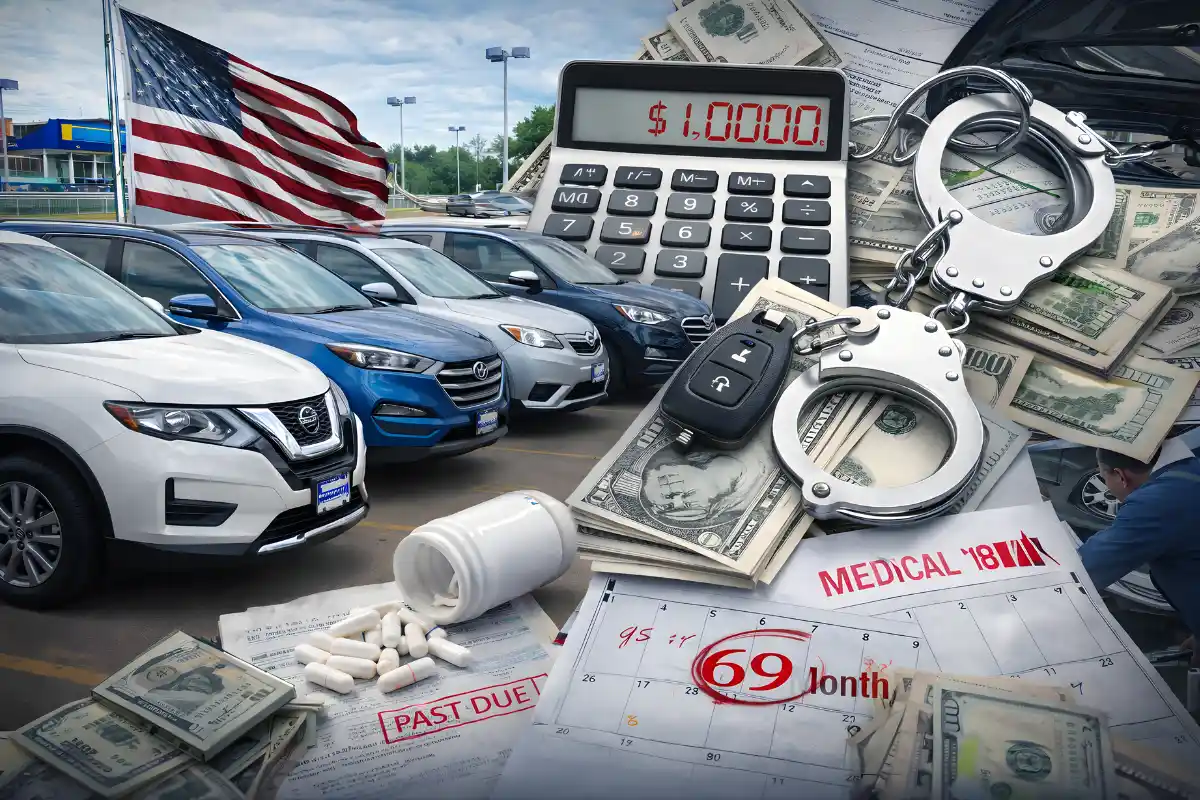
And most loans stretch about 69 months. Some go 72. A growing share go all the way to 84 months.
That means:
- You’re paying for six or seven years.
- You’re financing over $43,000 on average.
- And about 1 in 5 new car loans now cross $1,000 per month.
That’s not luxury-only territory anymore. That’s regular family cars.
When I saw those numbers, I didn’t think, “I can’t afford this.”
I thought, “Why does this feel like a mortgage?”
It’s Not Just the Sticker
The price tag is one thing.
But then you stack on:
- Higher interest rates.
- Insurance that keeps rising.
- Gas.
- Repairs.
- Taxes and fees.
Auto insurance alone has jumped a lot in the last two years. Many drivers are seeing double-digit increases. Parts cost more. Labor costs more. Everything costs more.
So even if the car payment “fits,” the full cost often doesn’t.
We don’t just buy a car anymore. We sign up for a long-term bill.
The Big Question: What Happened?
I asked myself that.
Did we suddenly all start buying fancy cars?
Not really.
A few things changed over the last few years:
- Car production dropped during the chip shortage.
- Fewer cars on lots meant higher prices.
- Car makers focused on SUVs and trucks because they make more money on them.
- Smaller, cheaper cars slowly disappeared.
If you try to find a brand-new car under $25,000 today, your options are thin. A decade ago, that wasn’t the case.
The market shifted. And middle-income buyers felt it.
What “Middle Class” Means in This Case
Let’s be real.
A household making $70,000 to $90,000 a year isn’t struggling at the bottom. But they’re not rich either.
After taxes, rent or mortgage, food, health costs, maybe child care, and student loans, there isn’t a giant pile left.
An $800 car payment eats up a big chunk of take-home pay.
Experts often say car costs should stay under 15 percent of your monthly income.
Run that math. It gets tight fast.
I remember sitting at my kitchen table, calculator out, trying to make it make sense. I could “qualify.” The bank would say yes.
But did I want to lock myself in for six years?
That’s a different question.
The Six-Year Risk
Here’s what bothered me most.
A long loan doesn’t just mean lower monthly payments. It means time.
Six years is a long time.
In six years:
- Jobs change.
- Kids grow.
- Medical bills show up.
- Roofs leak.
- Tires wear out.
If something goes wrong, you’re still stuck with that payment.
That’s the trap.
It’s not about wanting something fancy. It’s about not wanting to feel boxed in.
What People Are Saying Online
I’ve seen the comments.
“Car payments are the new rent.”
“I make decent money. Why does buying a basic SUV feel like signing my life away?”
Some people defend the prices:
“Cars are safer now.”
“They have more tech.”
“Inflation hit everything.”
Others push back:
“They stopped making affordable cars.”
“Why is every model an SUV?”
“Why is six years normal?”
There’s a meme going around of someone staring at a calculator with wide eyes. Caption: “Me trying to afford a base model.”
It’s funny. And painful at the same time.
The Quiet Shift: Keeping Cars Longer
The average age of cars on the road in the U.S. is over 12 years now. That’s high.
People aren’t upgrading as often.
They’re fixing what they have. Driving older cars longer. Passing cars down to teens instead of trading them in.
I see it in my own circle. Friends who used to swap cars every five years are holding on tight.
Not because they love repairs.
Because the math changed.
Used Cars Aren’t the Easy Fix
You might think, “Fine, just buy used.”
That used to be the answer.
But used car prices jumped during the supply crunch and stayed high compared to the old normal.
So buyers who go used still face:
- Higher prices than they expect.
- Higher interest rates.
- Fewer “great deals.”
It’s not the bargain aisle it used to be.
The Bigger Picture
This isn’t just about cars.
Housing costs rose.
Insurance rose.
Groceries rose.
When several big bills go up at once, something has to give.
A new car used to feel like a sign you were doing well. Now it feels like a risk check.
I don’t think the middle class stopped wanting new cars.
I think we started asking harder questions.
Do I want the new model? Sure.
Do I want the payment for six years? That’s different.
Where That Leaves Us
Some prices may cool a bit. Inventory is better than it was during the worst shortages. Deals pop up here and there.
But the days of easy, cheap new cars? They don’t seem to be coming back soon.
So we adapt.
We:
- Drive older cars.
- Shop harder.
- Compare loans.
- Think twice.
That old car I almost replaced? It’s still in my driveway. It rattles. The paint isn’t perfect.
But it’s paid off.
And right now, that feels better than new.