Can a single bite of a burger spark a global debate?
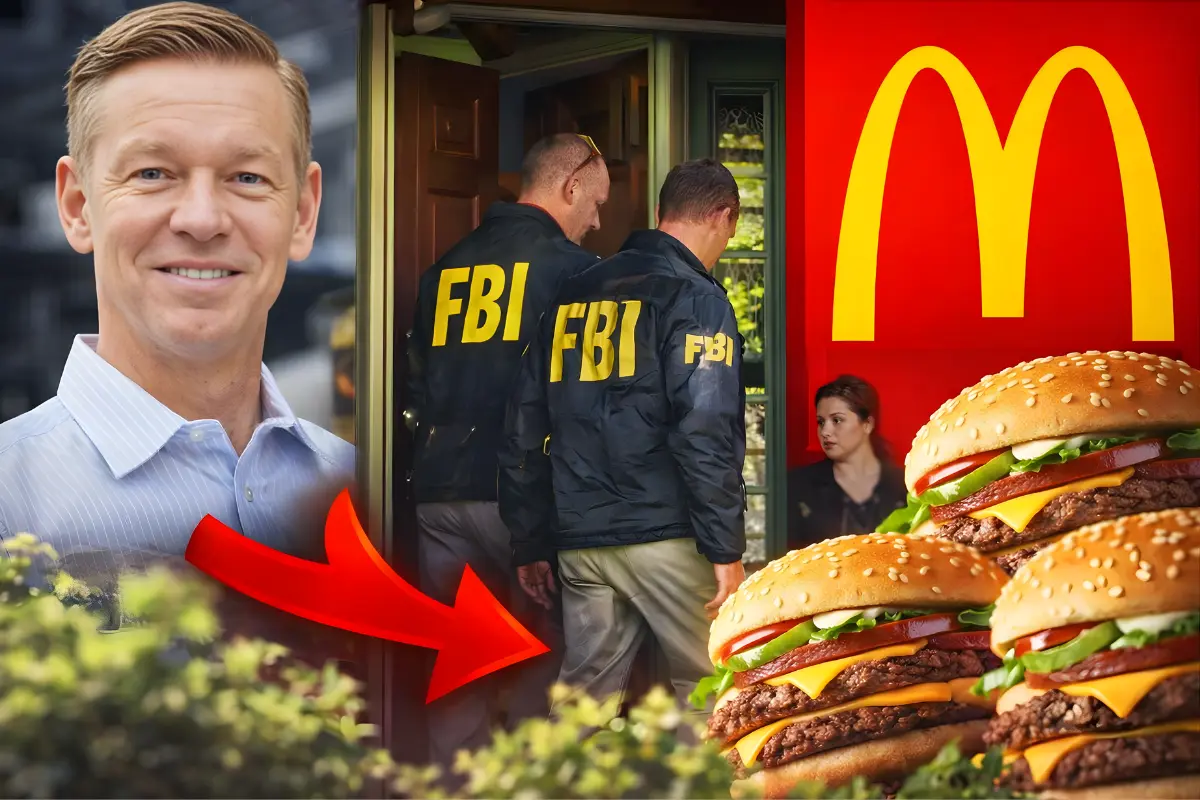
That’s the strange question people started asking after a short video of McDonald’s CEO Chris Kempczinski tasting a new burger went viral online. The clip lasted just a few seconds. But the internet quickly turned it into memes, jokes, and even wild rumors about whether the company’s top executive actually enjoys the food his company sells.
The moment that set everything off was simple.
McDonald’s CEO Chris Kempczinski posted a short promotional video while tasting the company’s new Big Arch burger, a menu item the fast-food giant has been promoting heavily.
The burger itself is a large sandwich built with:
- Two beef patties
- White cheddar cheese
- Crispy onions
- Lettuce and pickles
- A special “Big Arch” sauce
The sandwich has already been sold in several markets overseas and carries more than 1,000 calories, which puts it firmly in the “big fast-food indulgence” category.
The video seemed harmless at first.
Kempczinski holds the burger.
He calls it “the product.”
Then he takes a small bite.
That tiny bite was all it took.
The Internet Noticed Something Odd
Within hours, viewers started pointing out the same thing.
The bite looked… cautious.
Very cautious.
Some viewers joked that the CEO looked nervous holding the burger. Others said he seemed like someone eating fast food for the very first time.
Soon, social media filled with reactions.
Some of the most popular comments included lines like:
- “That’s the smallest ‘big bite’ I’ve ever seen.”
- “Why does he look scared of the burger?”
- “This is how rich people eat fast food.”
One viral post joked:
“Man’s energy screams kale salad.”
Another meme compared two photos:
Left side: the CEO taking a tiny bite.
Right side: a regular customer attacking a burger like it’s dinner after a long shift.
The caption read:
“Corporate bite vs real bite.”
Memes Spread Fast
Once the memes started, they spread quickly across TikTok, X, and Reddit.
Some of the trending jokes included:
- People filming themselves taking the same tiny “CEO bite.”
- Clips labeled “How executives eat burgers.”
- Edits that zoom in dramatically on the small bite.
One TikTok creator even slowed down the video and added dramatic music, turning the moment into a mock movie trailer.
The internet loves a small, awkward moment. This one delivered.
Rival Fast-Food Chains Jump In
The story got even funnier when Burger King joined the conversation.
Tom Curtis, the president of Burger King U.S., posted his own short video.
In it, he stands in a kitchen holding a Whopper.
He takes a huge bite.
Then he casually says the only thing missing was “a napkin.”
That quick jab instantly revived the classic fast-food rivalry.
Fans loved it.
Some reactions online included:
- “That’s a real bite.”
- “Burger King understood the assignment.”
- “The burger wars are back.”
For marketing teams, the moment was pure gold.
Rumors Start to Spread
As often happens online, jokes slowly turned into rumors.
Some posts began claiming that:
- The CEO refused to eat McDonald’s food.
- He secretly hates the company’s burgers.
- He had been suspended after the video.
There is no credible evidence supporting those claims.
In fact, Kempczinski has previously said in interviews that he eats McDonald’s food several times a week.
But social media can move faster than facts.
A small moment turns into a story.
Then the story becomes a rumor.
Why the Video Felt Strange
Media analysts say the awkward reaction may have come from one small detail.
The CEO kept calling the burger “the product.”
That phrase might make sense inside a boardroom.
But to viewers online, it sounded stiff and corporate.
When people talk about food, they expect excitement.
Not business language.
That gap made the video feel unnatural.
Marketing experts say authenticity matters online. When a video feels too scripted, the internet notices.
And once people notice something strange, the jokes start.
The Burger Behind the Buzz
Ironically, the Big Arch burger itself wasn’t the problem.
The sandwich has been part of McDonald’s international menu tests for some time. It combines larger portions with a premium style burger meant to compete with other big fast-food sandwiches.
The recipe includes:
- Two thick patties
- White cheddar
- Crispy onions
- Pickles and lettuce
- Signature sauce
The goal was simple: a bigger burger that feels more like a restaurant-style sandwich.
After the viral moment, curiosity about the burger actually increased.
Search interest spiked.
People wanted to see the burger for themselves.
Some restaurant analysts say viral attention like this often leads to increased sales.
Not bad for a 13-second clip.
Fans vs Critics
The internet split into two camps.
Fans of the moment treated it like harmless comedy.
Some joked the CEO looked like someone trying spicy food for the first time.
Others said the moment showed how different executives can seem from regular customers.
Critics argued the reaction proved corporate marketing sometimes misses the tone of social media.
One Reddit user wrote:
“Just let someone in the kitchen eat it. Don’t script it.”
Another posted:
“Next time give the burger to the cashier. That video would feel real.”
Why Moments Like This Go Viral
The internet often reacts strongly to moments that feel slightly awkward.
They’re relatable.
People like seeing powerful figures in normal situations. Especially when things don’t go perfectly.
This is why small clips can explode online.
One tiny bite becomes:
- Memes
- Jokes
- Marketing stunts
- Internet debates
And sometimes, free publicity.
Fast-Food Rivalries Never Get Old
The situation also reminded people of the long-running rivalry between major burger chains.
For decades, companies like McDonald’s and Burger King have traded playful jabs in ads and marketing campaigns.
The Whopper vs Big Mac comparison has fueled countless commercials.
The new burger moment simply gave the rivalry a fresh internet twist.
This time, the battleground was social media.
CONCLUSION
In the end, the viral McDonald’s CEO burger video wasn’t a scandal.
It was a small, awkward bite that the internet turned into comedy.
The memes will fade.
The burger will stay on the menu.
But the lesson remains simple.
On the internet, even a single bite of a burger can become a headline.