


I Paid for That Seat Too
I always pick the window seat. I pay extra for it. It’s my small comfort on a flight. So when I first read about the Jennifer Castro lawsuit, I didn’t see a viral headline. I saw a normal travel moment that spiraled out of control.
Jennifer Castro, 29, from Belo Horizonte, Brazil, booked and paid for a window seat on a GOL Airlines flight in December 2024. When she boarded, a toddler was sitting in it. The child was crying. The parent asked her to switch.
She declined.
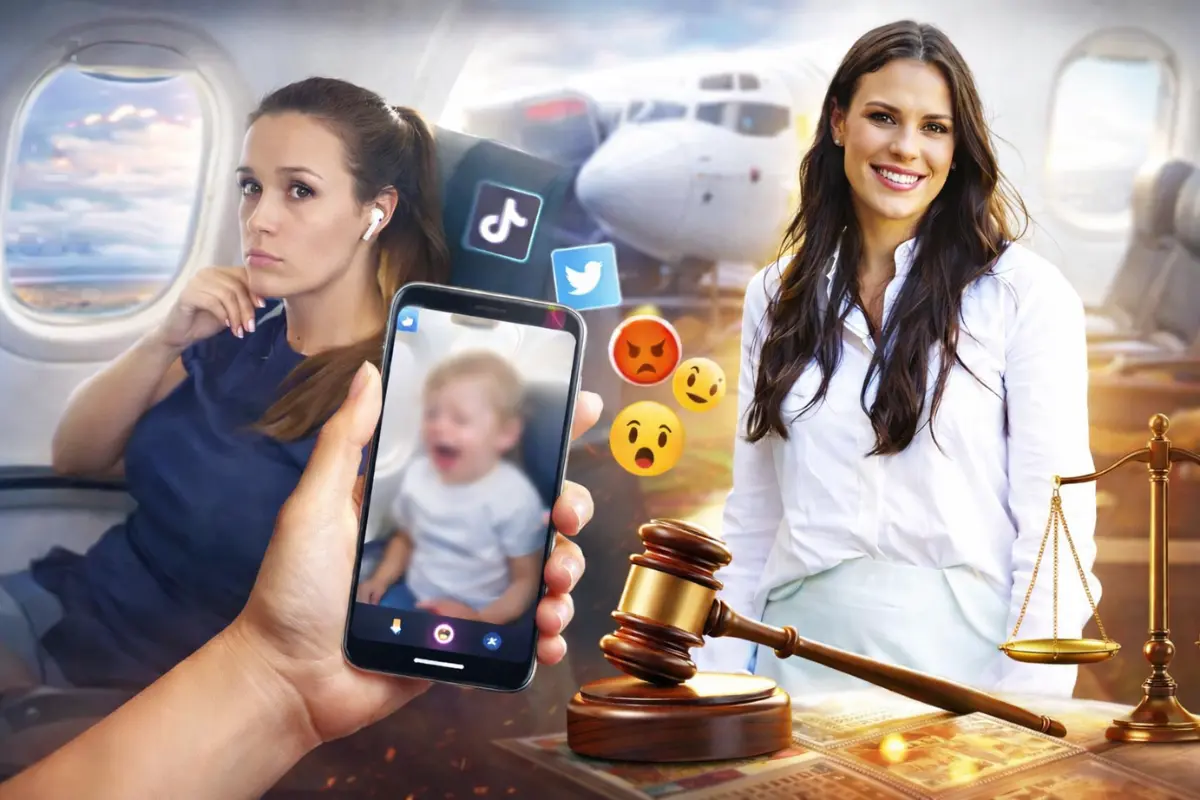
Another passenger — not the parent — began filming her without asking. The short video later spread across TikTok, Instagram, and X, reaching millions of views.
That’s the part that changed everything.
What Happened Next
According to international news reports:
- The video gained rapid attention online.
- Castro received heavy public criticism on social media.
- She said the attention caused emotional stress.
- Reports state she later filed a lawsuit against GOL Airlines and the passenger who filmed her.
The Jennifer Castro lawsuit centers on privacy concerns and reputational harm. Court details are sealed under Brazilian judicial rules, so the amount sought has not been disclosed.
This case is not about violence. It is not about misconduct. It began with a seat assignment and a recording.
Why the Story Split the Internet
The reaction online was divided.
Some people argued:
- A child should come first.
- Kindness matters more than policy.
Others responded:
- A paid seat is a paid seat.
- Parents can pre-select seats together.
- Filming a stranger without consent is wrong.
I understand both sides. I’ve been asked to switch seats before. Sometimes I say yes. Sometimes I don’t. It depends. But I never expect a phone pointed at me.
That’s what made this different.
The Privacy Question
The Jennifer Castro lawsuit raises a larger issue: can someone record and share your image in a tense but ordinary moment?
Airplanes are public settings, but they are also confined spaces. You cannot simply walk away. Legal analysts in Brazil have noted that civil law allows claims for moral damages if someone’s dignity or reputation is harmed.
If the court rules in her favor, it could influence how similar cases are handled in the future. It may also encourage airlines to review how they manage passenger disputes and on-board filming.
The Airline Factor
Modern airlines often charge extra for seat selection. If families do not pay for specific seats, they may be separated. That can lead to requests to switch mid-flight.
This business model has drawn attention in recent years. Consumer advocates have questioned added fees and transparency. At the same time, airlines argue that seat selection is optional and disclosed at booking.
In this case, Castro had paid for her assigned seat.
The situation highlights how small travel policies can create tension in real life.
Social Media and Public Reaction
This case also reflects a broader trend. Short travel clips frequently go viral. Seat disputes, boarding conflicts, and passenger disagreements often become online talking points.
Some viewers supported Castro, saying she had the right to keep what she paid for. Others felt empathy for the child and believed she could have switched.
The divide shows how quickly online audiences form strong opinions from limited footage.
What is often missing is context.
A brief clip rarely captures tone, conversation, or full details. Yet the reaction can shape real outcomes.
Personal Impact
Reports state that Castro experienced significant stress following the video’s circulation. She has publicly said the situation affected her personal and professional life.
The Jennifer Castro lawsuit is her attempt to address what she sees as harm caused by unauthorized recording and public exposure.
This moves the case beyond travel etiquette. It becomes about personal image, employment impact, and the cost of viral attention.
A Larger Conversation
At its core, this case reflects three modern realities:
- Almost everyone carries a camera.
- Ordinary moments can become global content.
- Online reaction can affect real-world lives.
Ten years ago, a seat disagreement would have ended when the plane landed. Now it can continue for months across platforms and into courtrooms.
That shift is what makes this story significant.
Final Thought
Most of us have faced small public dilemmas — whether to give up a seat, how to respond under pressure, how to handle an awkward request. Usually, the moment passes quietly.
In this case, it did not.
The Jennifer Castro lawsuit reminds us that everyday travel choices can take on larger meaning when filmed and shared widely. And it raises a simple question many travelers may now consider:
If you paid for the seat, would you keep it — knowing someone might record your answer?